


Which manufacturer of plate heat exchangers in Shandong is the best - plate heat exchangers - heat exchangers
Keywords:
Product Category:
Shandong Youkun Energy Equipment Co., Ltd. is a manufacturer of heat exchangers, including plate heat exchangers, volumetric heat exchangers, spiral tube heat exchangers, annular tube heat exchangers, floating head tube heat exchangers, low-pressure heat exchangers, and heating heat exchangers, among other heat exchanger units. The company's main products include nine major categories: heat exchangers, plate heat exchangers, heat exchanger units, pressure vessels, boiler auxiliary equipment, water supply equipment, water treatment equipment, reverse osmosis devices, sewage treatment equipment, and fully intelligent oil, gas, and electric boilers. Heat exchangers, plate heat exchangers, and heat exchanger units are suitable for sanitary hot water in residential areas, government offices, factories, mines, hospitals, hotels, and schools. Integrated heat exchanger units can be used for water-to-water exchange or steam-to-water exchange. For high-quality heat exchanger units, Youkun is trustworthy.
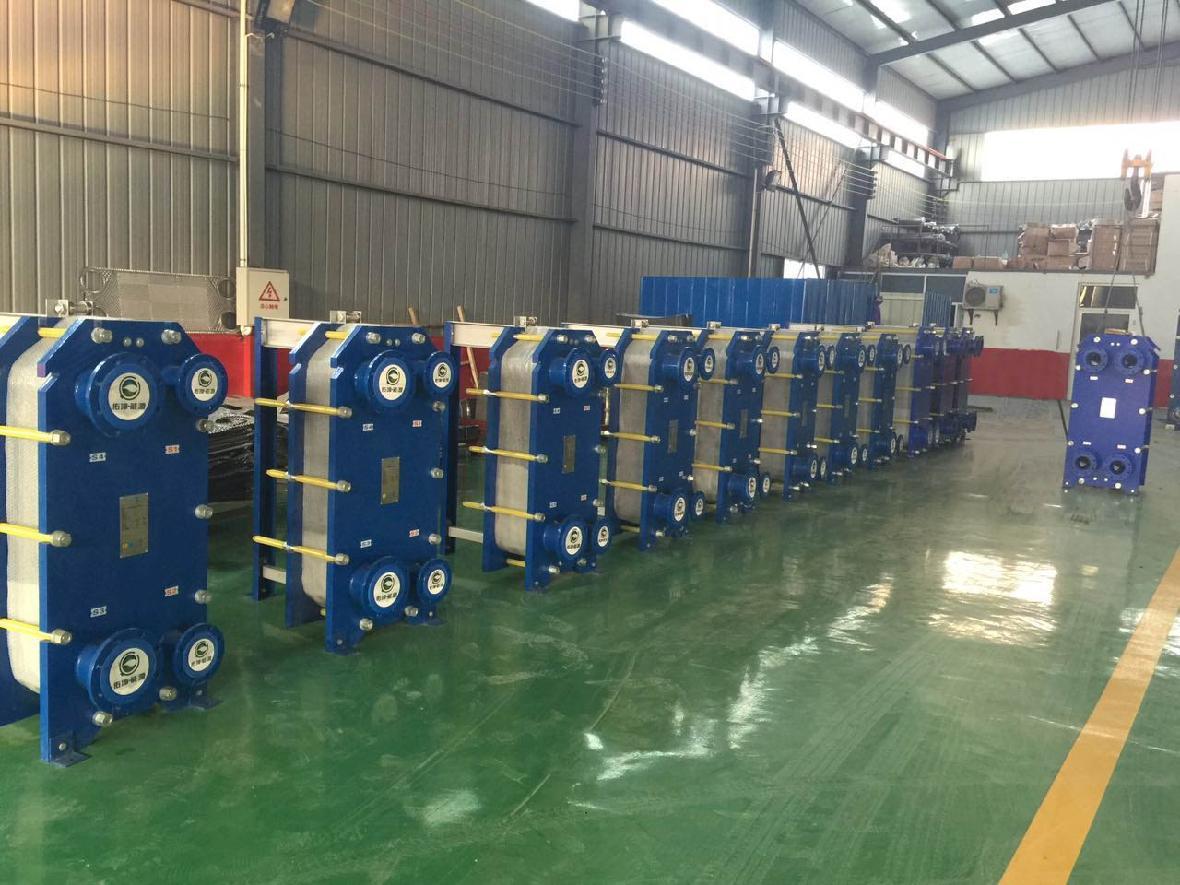
Plate heat exchanger equipment is one of the newest types of equipment in the heating and cooling fields. It has advantages such as compact structure, small footprint, high heat transfer efficiency, and convenient operation and maintenance, and it can handle small temperature differences. As a highly efficient and energy-saving product, plate heat exchangers have been widely used in various industrial fields, including mining, metallurgy, petroleum, chemical industry, machinery, light textiles, papermaking, shipbuilding, and ocean development. In recent years, its promotion in centralized heating and combined heat and power generation has been particularly rapid.
The plate heat exchangers produced by Shandong Youkun Energy Equipment Co., Ltd. are suitable for cooling, heating, evaporation, condensation, disinfection, and waste heat recovery processes for various media and substances.
A plate heat exchanger is a new type of high-efficiency heat exchanger formed by stacking a series of metal plates with a certain corrugated shape. Thin rectangular channels are formed between the plates, and heat exchange is performed through the plates. Plate heat exchangers are ideal equipment for liquid-liquid and liquid-gas heat exchange. They have the characteristics of high heat exchange efficiency, low heat loss, compact and lightweight structure, small footprint, convenient installation and cleaning, wide application, and long service life. Under the same pressure loss, its heat transfer coefficient is 3-5 times higher than that of a tube heat exchanger, the footprint is one-third that of a tube heat exchanger, and the heat recovery rate can be as high as 90% or more. The main types of plates include chevron corrugated plates, horizontal flat corrugated plates, and dimpled plates.
Plate heat exchangers are classified by structure: detachable plate heat exchangers (also known as plate heat exchangers with gaskets), welded plate heat exchangers, spiral plate heat exchangers, and plate-and-shell heat exchangers (also known as honeycomb heat exchangers).
According to process applications, there are different names: plate heaters, plate coolers, plate condensers, and plate preheaters;
According to the process combination, they are divided into single-pass plate heat exchangers and multi-pass plate heat exchangers;
According to the flow direction of the two media, they are divided into co-current (parallel flow) plate heat exchangers, counter-current plate heat exchangers, and cross-flow (transverse flow) plate heat exchangers. The latter two are more commonly used;
According to the size of the flow channel gap, they are divided into conventional gap plate heat exchangers and wide gap plate heat exchangers;
According to corrugations, plate heat exchangers have a more detailed classification, which will not be elaborated here. Please refer to: Corrugation Types of Plate Heat Exchanger Plates.
According to whether they are complete sets of products, they can be divided into single-unit plate heat exchangers and plate heat exchanger units.
Plate heat exchangers are widely used in metallurgy, mining, petroleum, chemical, power, pharmaceutical, food, chemical fiber, papermaking, light textile, shipbuilding, and heating industries. They can be used in various situations such as heating, cooling, evaporation, condensation, sterilization, and waste heat recovery.
Solar energy utilization: Participating in the heat exchange process of heat transfer media such as ethylene glycol antifreeze in solar collectors to achieve solar energy utilization.
Chemical industry: Manufacturing titanium dioxide, alcohol fermentation, ammonia synthesis, resin synthesis, rubber manufacturing, phosphoric acid cooling, formaldehyde water cooling, alkali-carbon industry, and electrolytic alkali production.
Iron and steel industry: Cooling quenching oil, cooling electroplating solutions, cooling reducer lubricating oil, cooling rolling mills, and cooling wire drawing machine coolant.
Metallurgy industry: Heating and cooling aluminate mother liquor, cooling sodium aluminate, and cooling aluminum rolling mill lubricating oil.
Mechanical manufacturing industry: Cooling various quenching liquids, cooling presses, cooling industrial machine lubricating oil, and heating engine oil.
Food industry: Salt making, dairy products, soy sauce, vinegar sterilization and cooling, heating and cooling animal and vegetable oils, heating and cooling beer and wort in beer production, sugar making, gelatin concentration, sterilization and cooling, and monosodium glutamate manufacturing.
Textile industry: Waste liquid heat recovery, cooling of boiling phosphated fibers, cooling viscose liquid, cooling acetic acid and acetic anhydride, cooling alkaline aqueous solutions, and heating and cooling viscose silk.
Papermaking industry: Cooling black liquor, heating and cooling bleaching salts and alkaline solutions, heat recovery of cellophane waste liquid, heating cooking acid, cooling sodium hydroxide aqueous solution, recovering waste liquid from bleached paper, condensing exhaust gas, and preheating concentrated pulp-like waste liquid.
Central heating
Waste heat district heating from power plants, heating domestic water, and boiler district heating.
Oil industry: Heating and cooling synthetic detergents, heating whale oil, cooling vegetable oil, cooling sodium hydroxide, cooling glycerin, and cooling emulsified oil.
Power industry: Generator shaft pump cooling and transformer oil cooling.
Ships: Diesel engines, central coolers, jacket water coolers, piston coolers, lubricating oil coolers, preheaters, and seawater desalination systems (including multi-stage and single-stage).
Marine aquaculture breeding: Using boilers to heat breeding seawater saves coal use, thus saving energy and protecting the environment while improving efficiency.
Others: Pharmaceuticals, petroleum, building ceramics, glass, cement, and geothermal utilization.
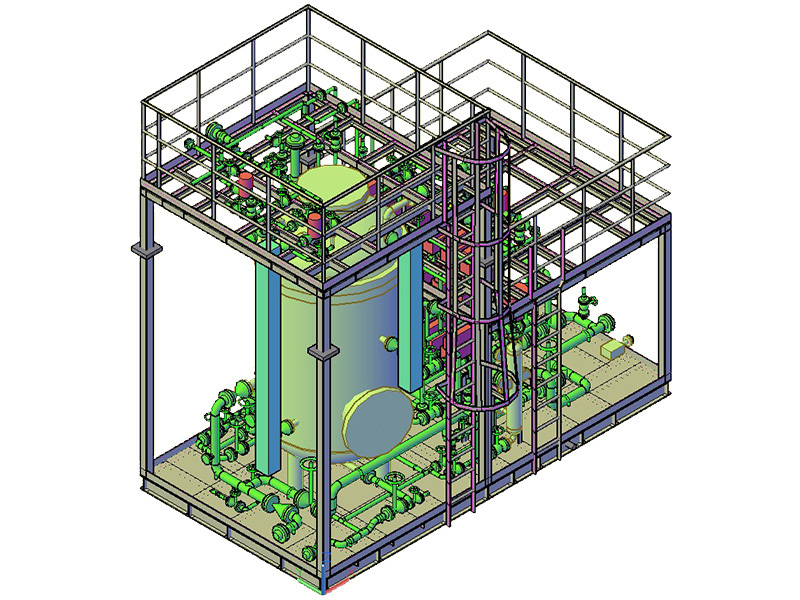
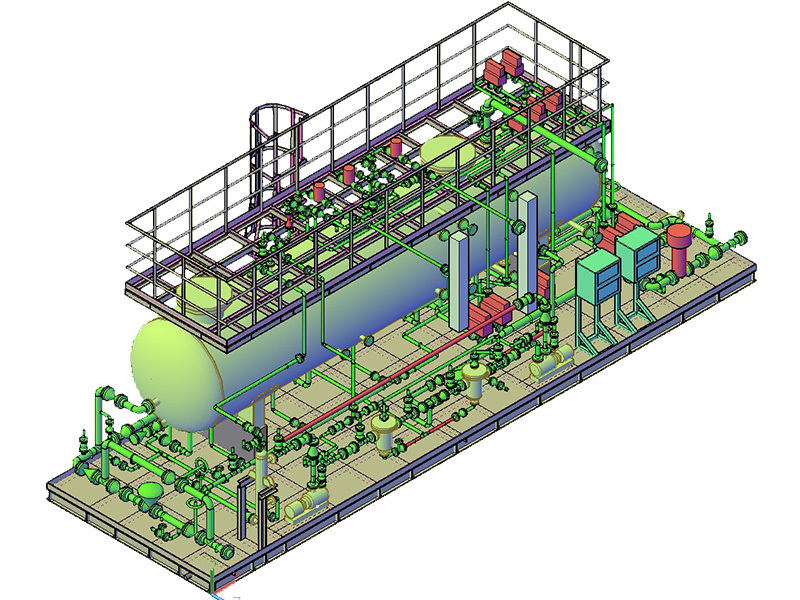
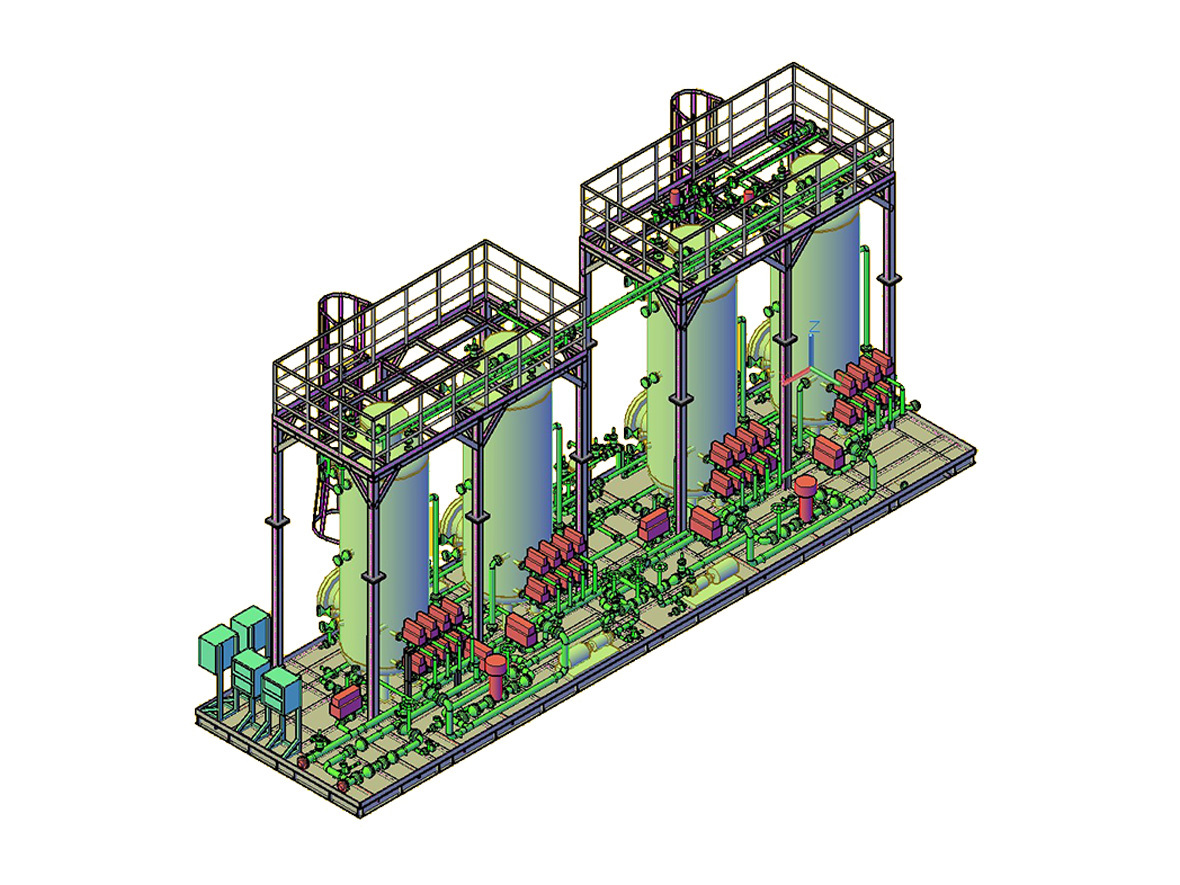
Heat exchangers are composed of heat exchangers, temperature control valves, drain valves (when the heating medium is steam), circulating pumps, electrical control cabinets, bases, pipelines, valves, instruments, etc., and can be equipped with expansion tanks, water treatment equipment, pump frequency conversion control, temperature control valves, and remote communication control, thus forming a complete heat exchange station. Heat exchangers are characterized by standardized and modular design, complete configuration, easy installation, and high energy efficiency. Heat exchangers feature compact structure, reliable operation, and simple and intuitive operation, making them a preferred high-efficiency energy-saving product. This product is suitable for sanitary hot water in residential areas, government offices, factories, hospitals, hotels, and schools. Integral heat exchangers can be used for water-to-water exchange or steam-to-water exchange. Types of heat exchangers include water-water direct mixing heat exchangers, eddy current heat film heat exchangers, and thermal sensitive heat exchangers.

Welcome to Leave a Message