


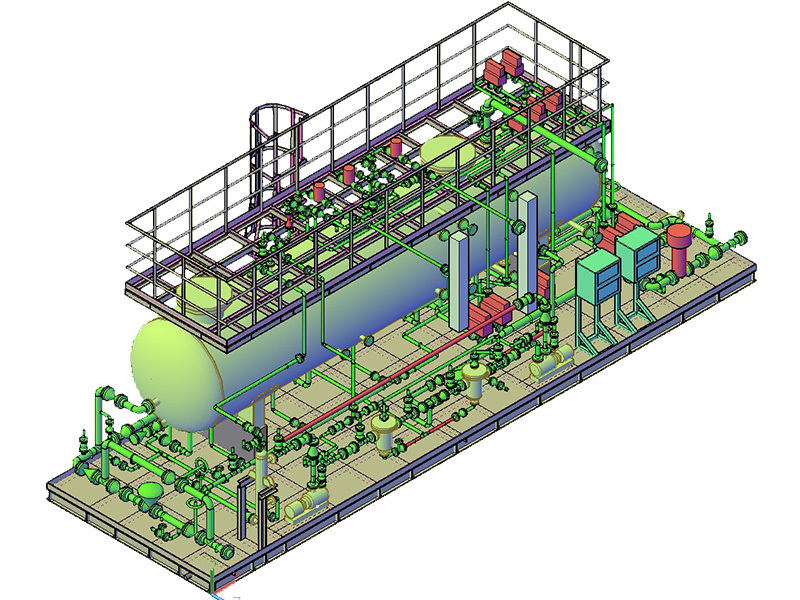
Oil-water separator
Keywords:
Product Category:
Introduction
Structural Composition
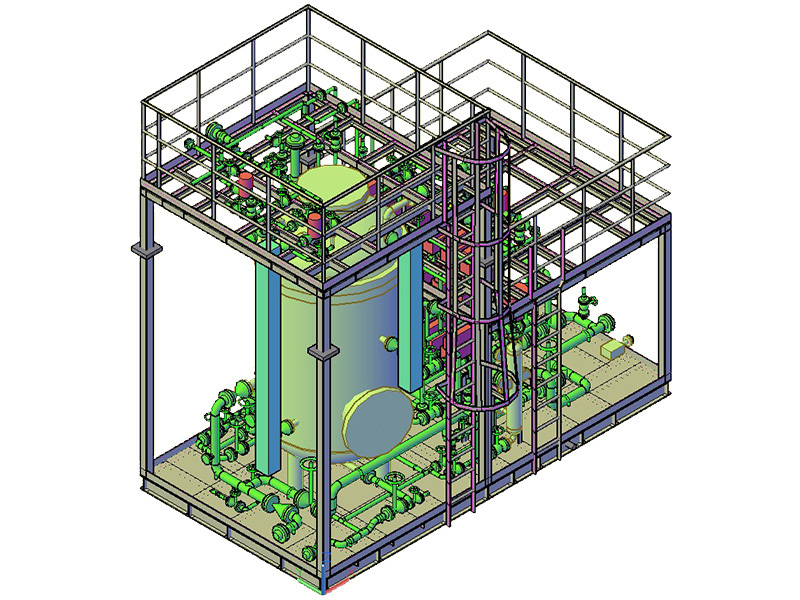
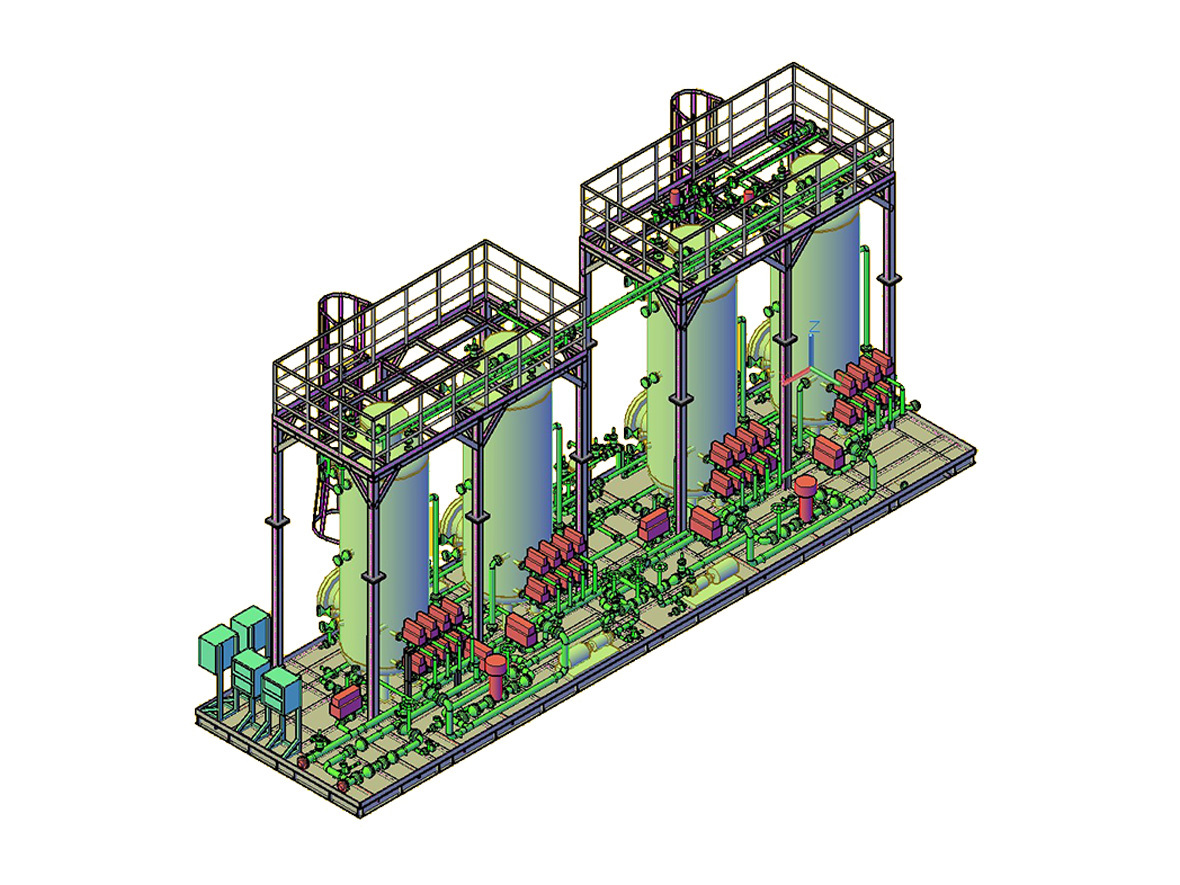
Separation Unit: Common ones include gravity separation chambers, which utilize the density difference between oil and water to allow oil to float on the surface of the water, achieving preliminary separation; there are also coalescing separators, which use special coalescing materials to coalesce tiny oil droplets into larger droplets, accelerating the upward separation of oil; some skids are also equipped with membrane separation components, which utilize the selective permeability of semi-permeable membranes to further separate tiny particles and dissolved substances in oil and water.
Filtration Unit: This usually includes coarse filters and fine filters. Coarse filters are used to remove large particles of impurities and suspended matter, protecting subsequent equipment; fine filters can remove smaller impurities and oil droplets, improving the quality of the effluent.
Pump and Piping System: Pumps are used to transport oily wastewater to various processing units, ensuring the flow and circulation of wastewater within the skid. Pipes connect the various components, forming a complete processing flow, and are equipped with valves to control the direction, flow rate, and pressure of the water.
Control System: This generally consists of a control cabinet, sensors, and instruments. Sensors monitor water quality, flow rate, pressure, and other parameters in real time, transmitting data to the control cabinet. The control cabinet, based on preset parameters and logic, automatically controls the start and stop of pumps, the opening and closing of valves, and the operation of the chemical dosing system, achieving automated operation and running.
Working Principle
Gravity Separation Principle: After oily wastewater enters the gravity separation chamber of the skid, due to the lower density of oil than water, under the action of gravity, oil droplets float upward, while water settles downward, thus achieving preliminary separation of oil and water.
Coalescing Separation Principle: Wastewater after gravity separation enters the coalescing separator. When oily wastewater passes through the coalescing material, tiny oil droplets adhere to the surface of the coalescing material, gradually coalescing into larger droplets. The larger droplets rapidly float upward under the action of gravity and separate from the water.
Filtration Separation Principle: Using the pore size of the filter medium to prevent oil droplets and impurities from passing through, allowing water to pass through the filter medium, thus achieving the separation of oil and water.
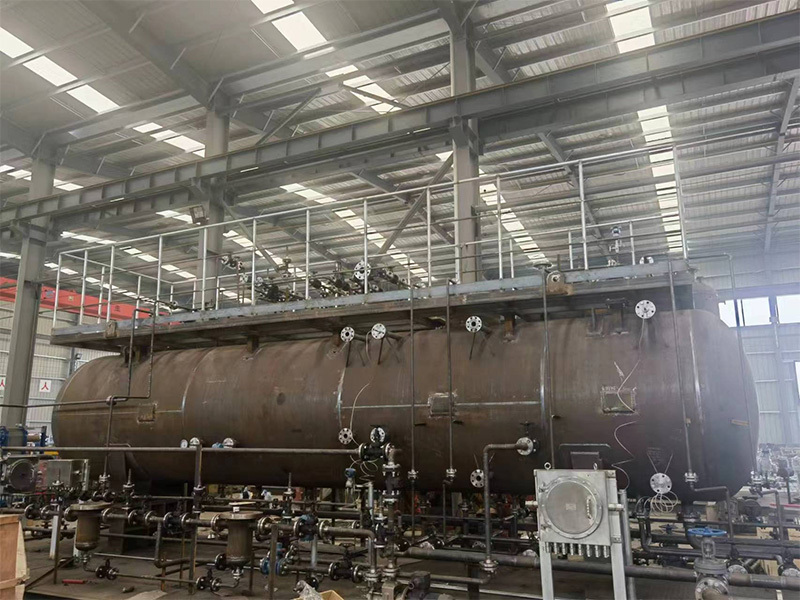
Oil-Water Separator Production Site
Smart Platform Control Overview
|
|
|


Note: Introduction and core value.
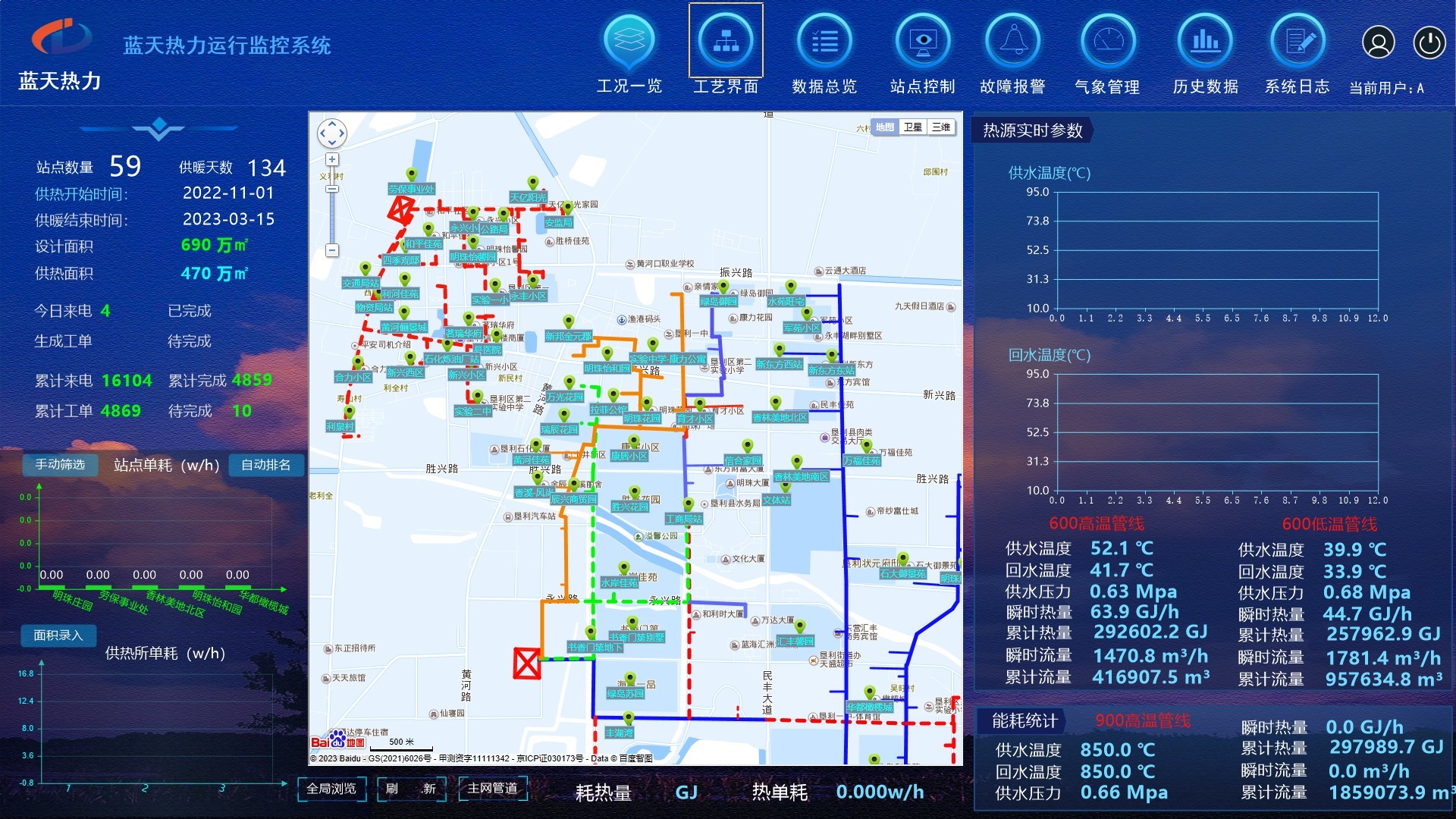
Note: Thermal Power Company's smart platform application - operating condition overview
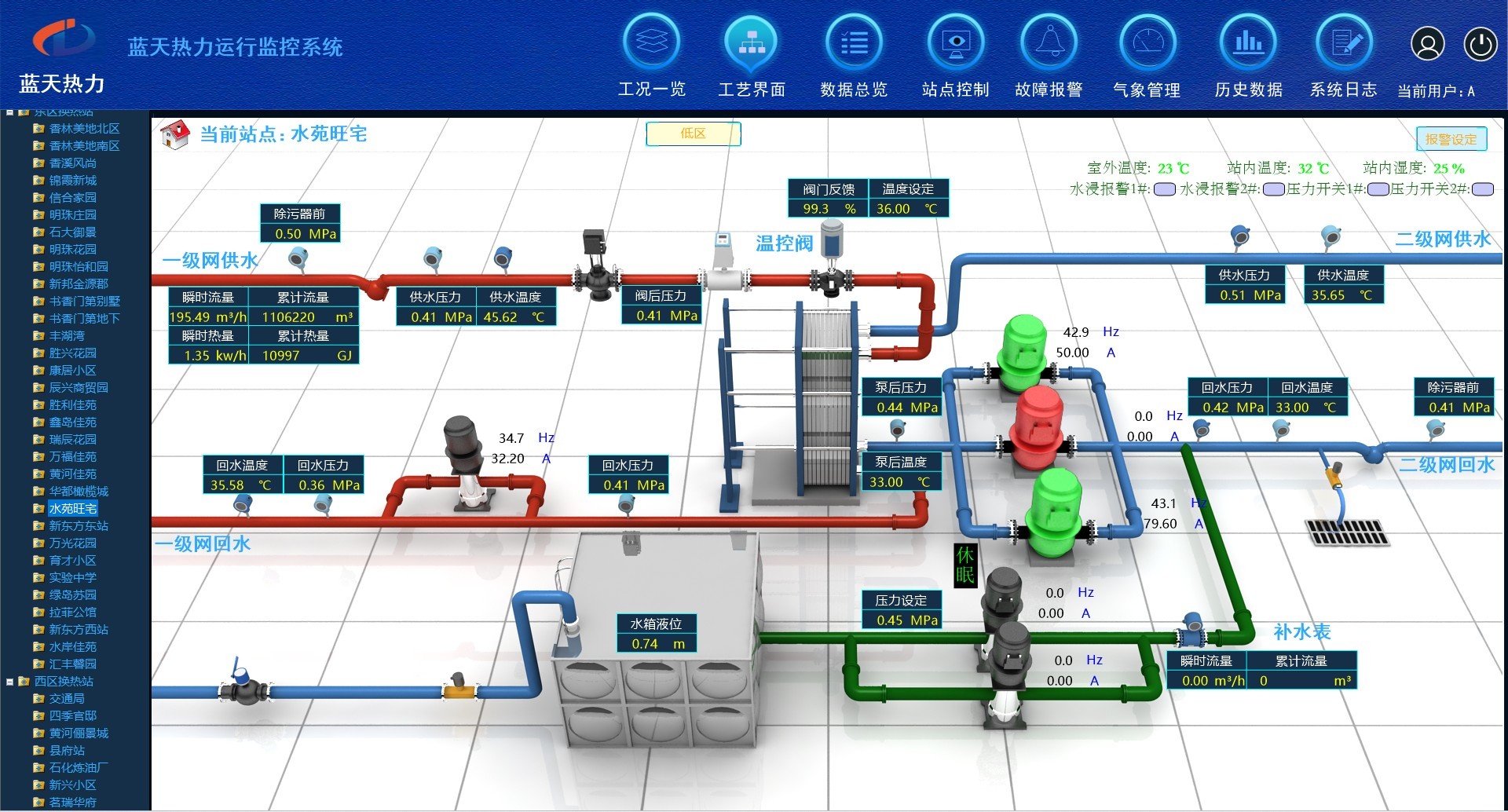
Note: Thermal Power Company's smart platform application - heat exchange station process interface.
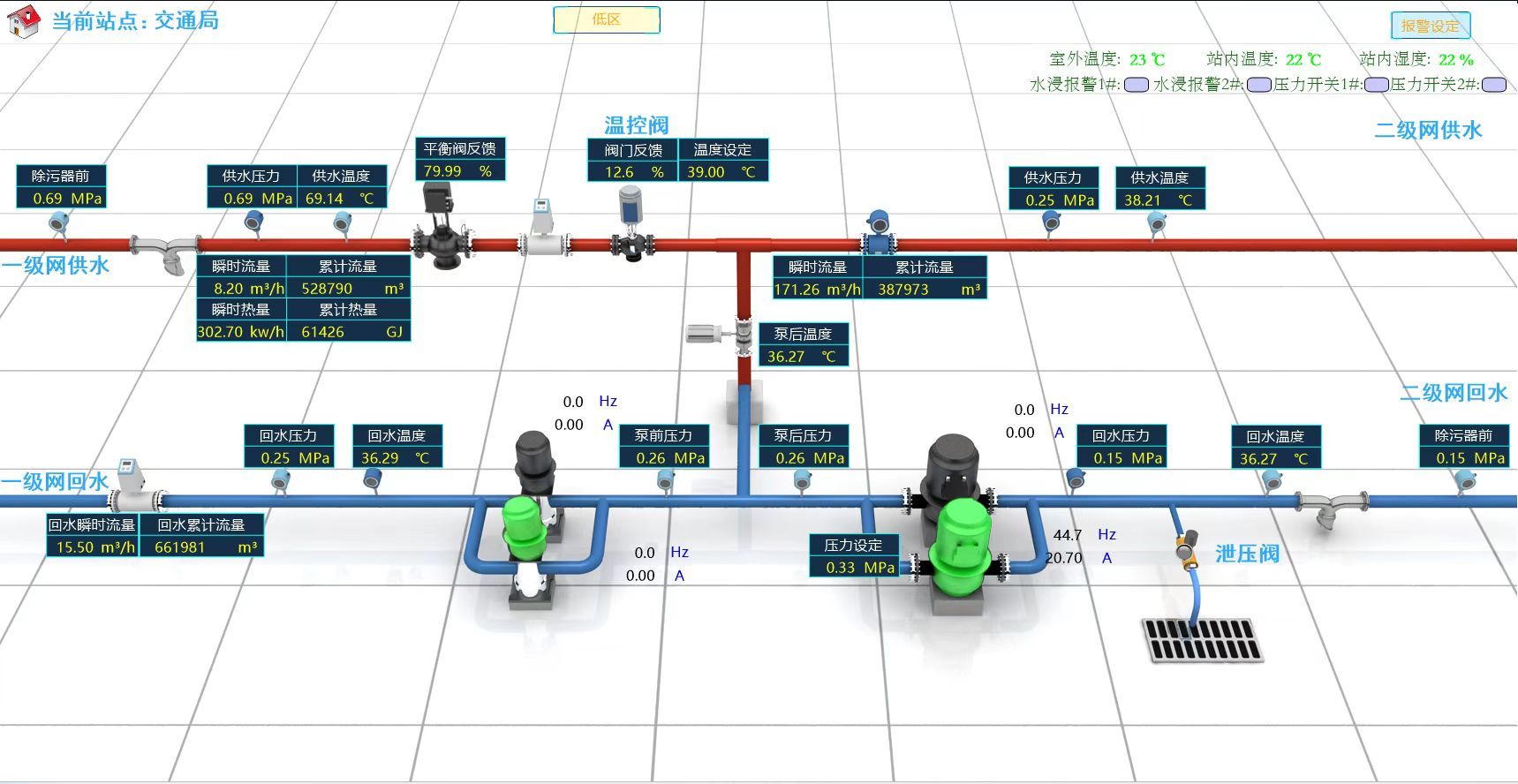
Note: Thermal Power Company's smart platform application - water mixing station process interface.
|
|
|
|
|
|
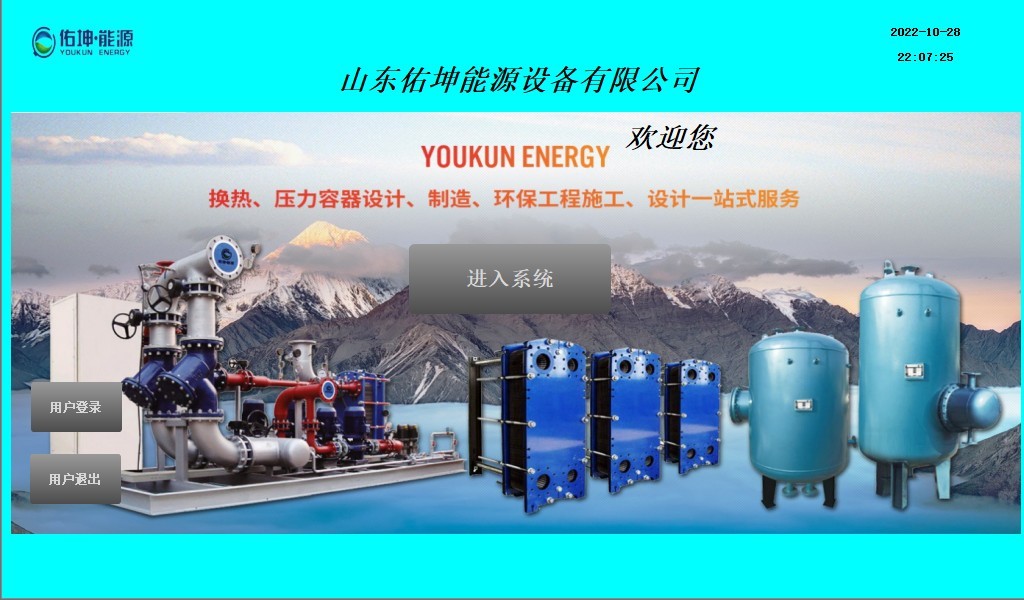


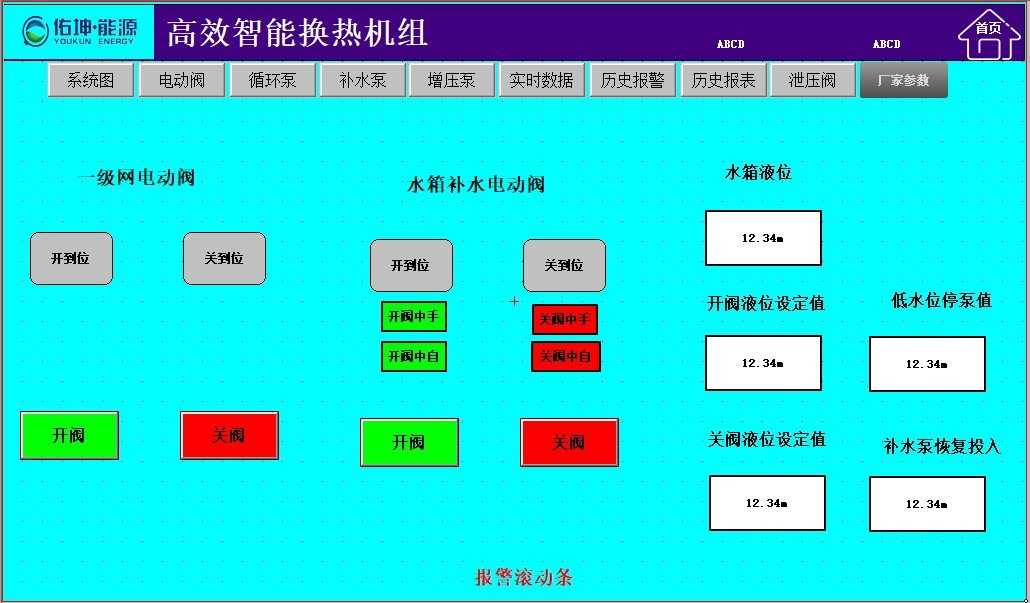
Note: Heat exchange station - PLC intelligent control interface 1

Welcome to Leave a Message