


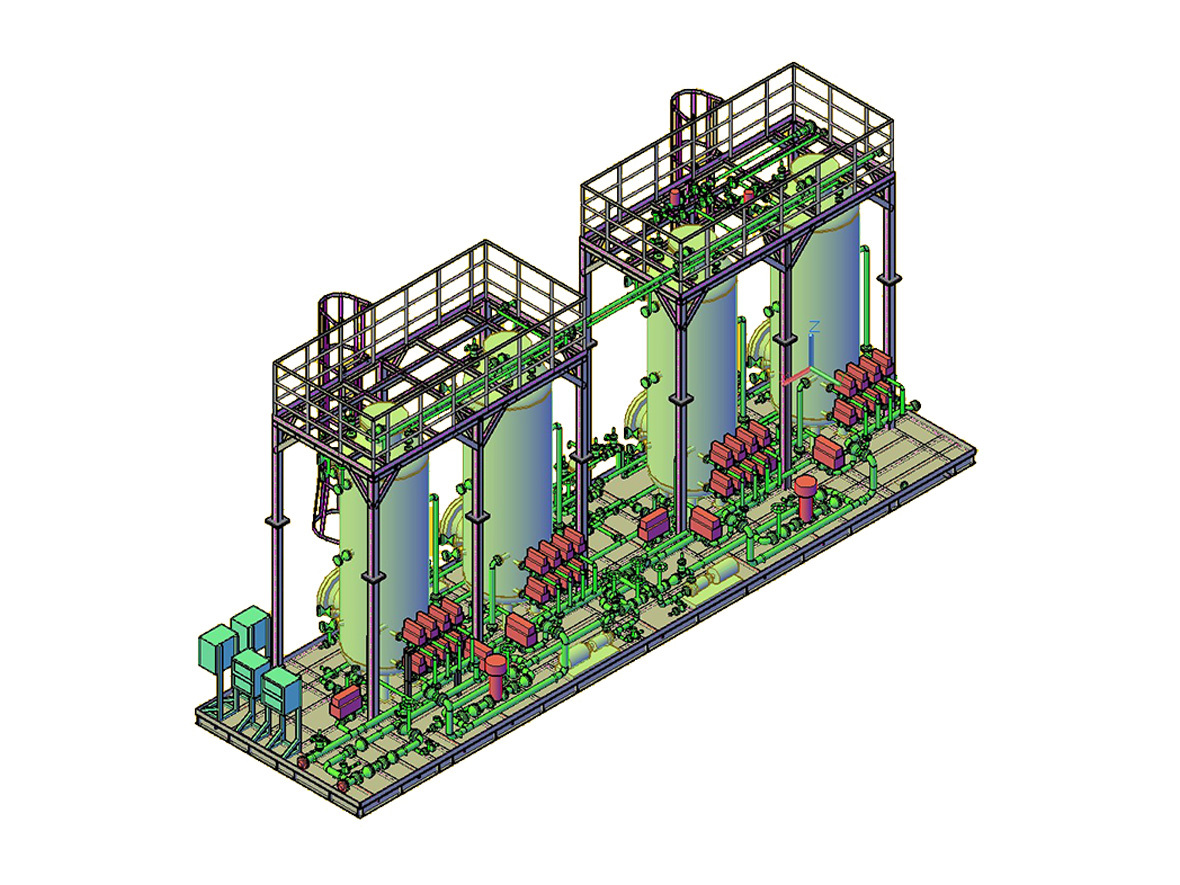
Oil-water separator
Keywords:
Product Category:
Introduction
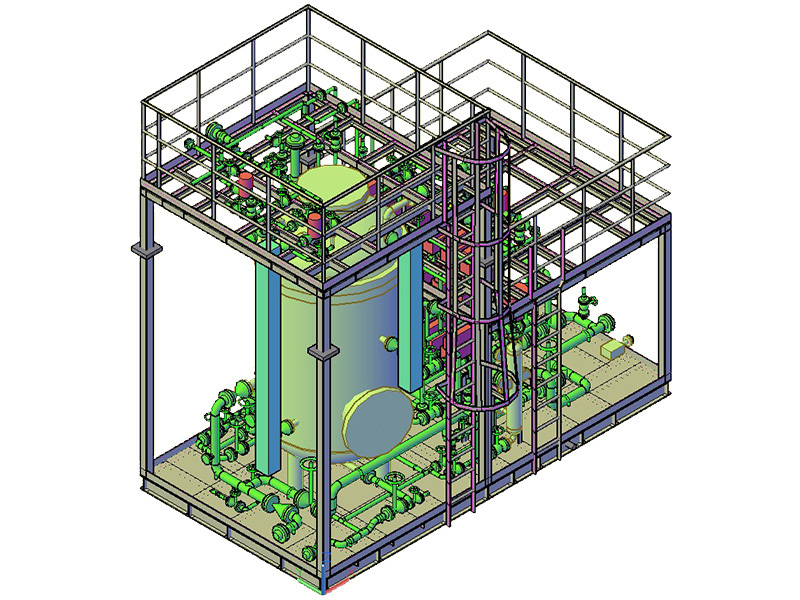
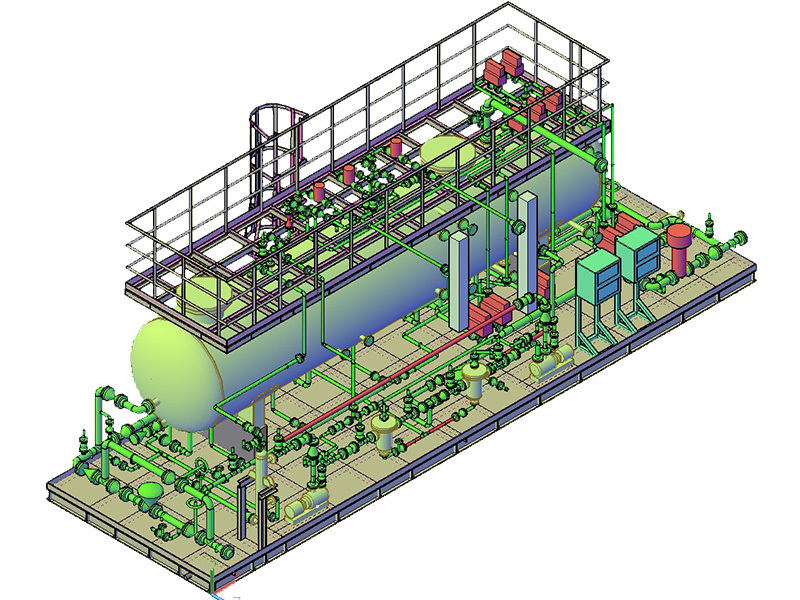
Structural Composition
Separation Unit: Common ones include gravity separation chambers, which utilize the density difference between oil and water to allow oil to float on the surface, achieving preliminary separation; there are also coalescing separators, which use special coalescing materials to coalesce tiny oil droplets into larger droplets, accelerating the upward separation of oil; some skids are also equipped with membrane separation components, utilizing the selective permeability of semi-permeable membranes to further separate tiny particles and dissolved substances in oil and water.
Filtration Unit: This usually includes coarse filters and fine filters. Coarse filters are used to remove large particulate impurities and suspended solids, protecting subsequent equipment; fine filters can remove smaller impurities and oil droplets, improving the quality of the effluent.
Pump and Piping System: Pumps are used to transport oily wastewater to various processing units, ensuring the flow and circulation of wastewater within the skid. Pipes connect the various components, forming a complete processing flow, and are equipped with valves to control the direction, flow rate, and pressure of the water.
Control System: This generally consists of a control cabinet, sensors, and instruments. Sensors monitor water quality, flow rate, pressure, and other parameters in real-time, transmitting data to the control cabinet. The control cabinet, based on preset parameters and logic, automatically controls the start and stop of pumps, the opening and closing of valves, and the operation of the chemical dosing system, achieving automated operation and running.
Features
High Integration: Multiple processing equipment and components are integrated onto a single skid, resulting in a small footprint, easy transportation, installation, and commissioning, allowing for rapid deployment.
Strong Adaptability: It can be flexibly configured with separation, filtration, and chemical dosing units according to different industrial wastewater quality and treatment requirements, adapting to the treatment of various oily wastewaters.
High Automation: Automatic operation and monitoring are achieved through the control system, reducing manual operation, improving processing efficiency and stability, and lowering operating costs.
Good Separation Effect: By comprehensively using multiple separation technologies, it can effectively remove floating oil, dispersed oil, emulsified oil, and dissolved oil from wastewater, enabling the effluent to meet higher standards.
Easy Maintenance: The skid-mounted structure facilitates equipment inspection and maintenance, and the components are relatively independent, making it easier to replace and repair parts.
Oil-Water Separator Production Site

Smart Platform Control Overview
|
|
|


Note: Introduction and core value.
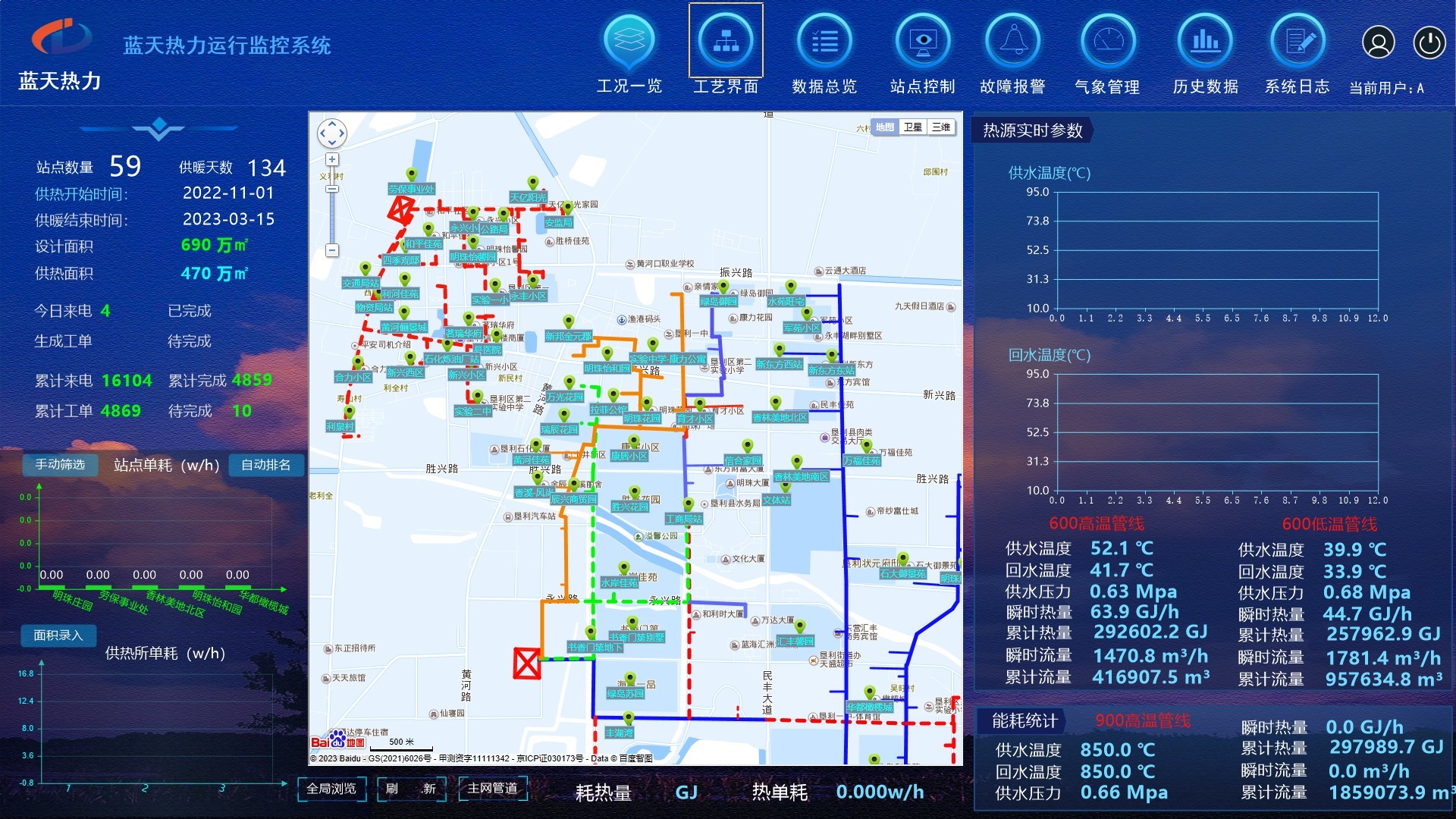
Note: Thermal Power Company's smart platform application - operating condition overview
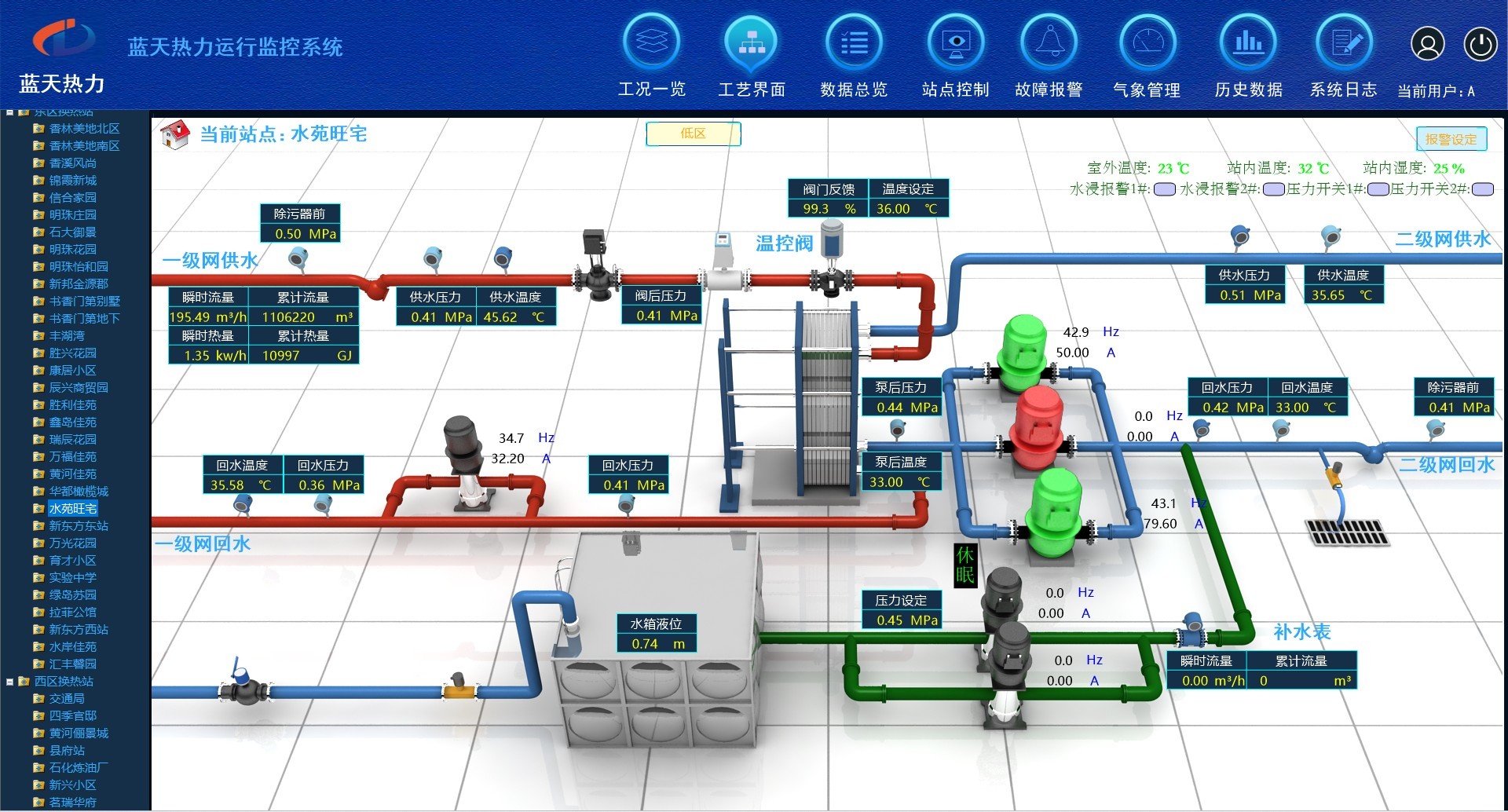
Note: Thermal Power Company's smart platform application - heat exchange station process interface.
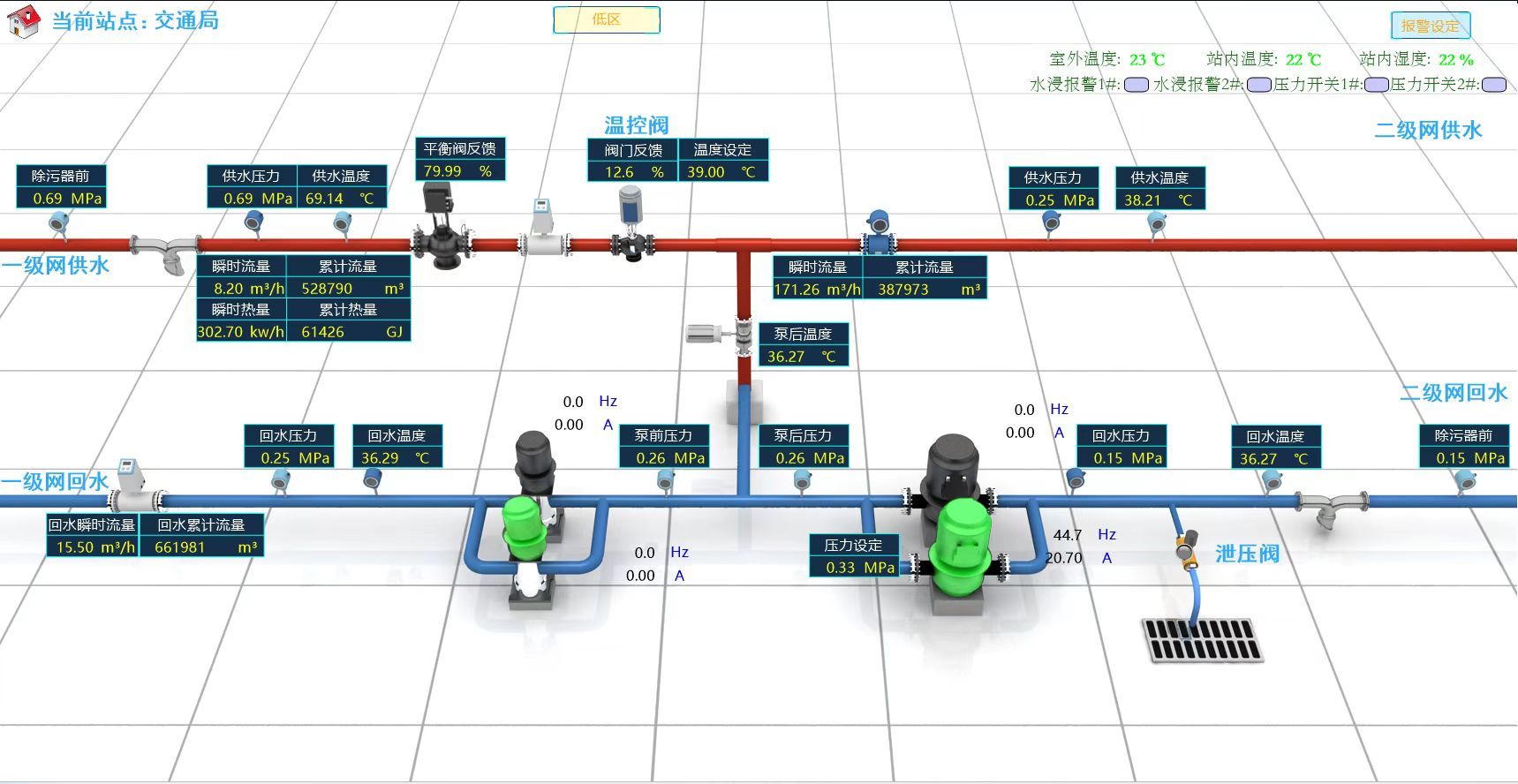
Note: Thermal Power Company's smart platform application - water mixing station process interface.
|
|
|
|
|
|
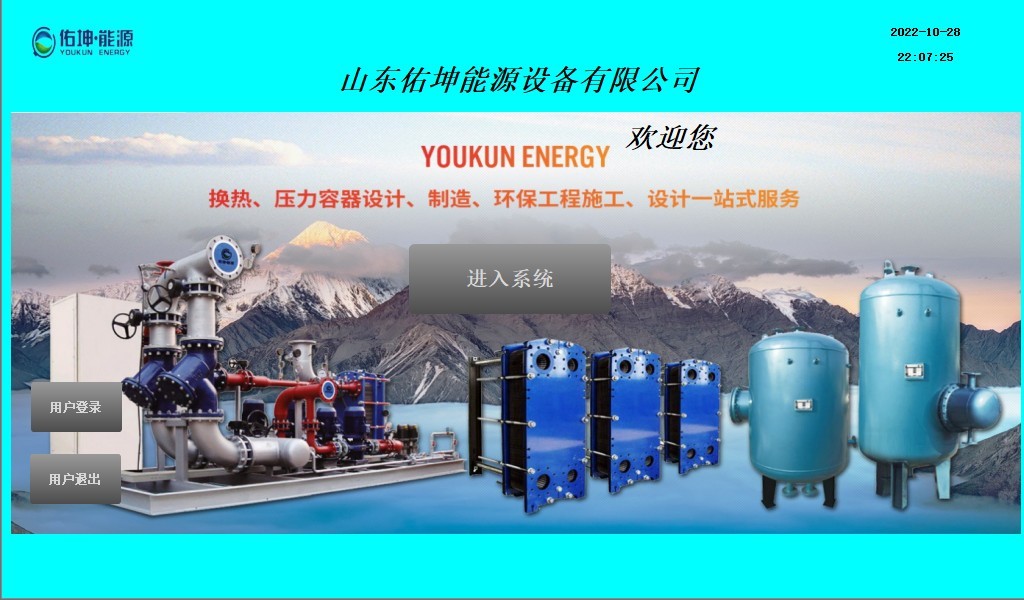


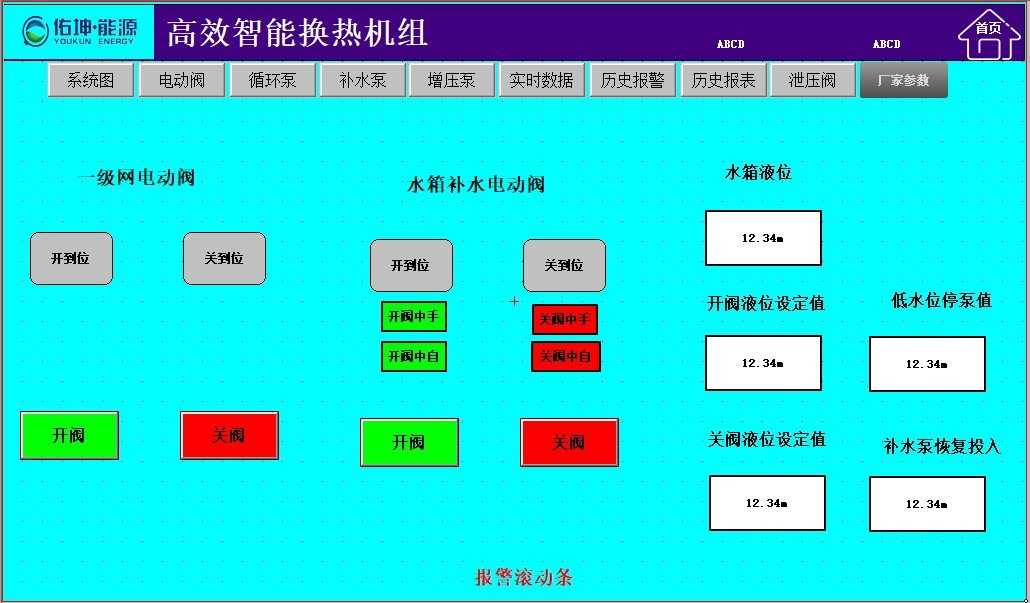
Note: Heat exchange station - PLC intelligent control interface 1

Welcome to Leave a Message