

-
-
Products
-

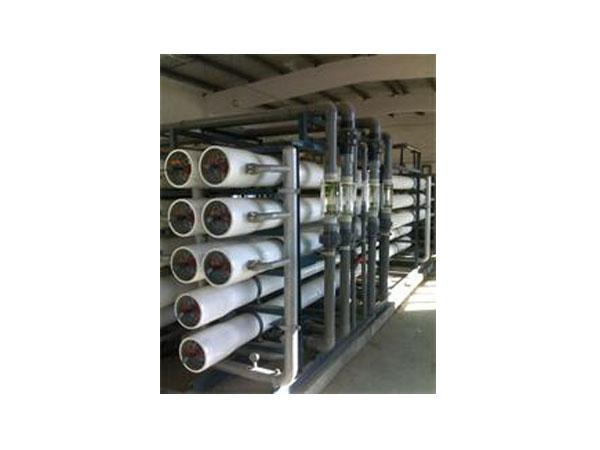
Reverse osmosis equipment
Keywords:
Product Category:
In winter, reverse osmosis feed water needs heat exchange to increase temperature and ensure the inlet water temperature. For shut-down units, regular low-pressure flushing is required to prevent freezing. Units must be housed indoors with heating facilities. Reverse osmosis membrane freezing is very detrimental. Reverse osmosis pure water equipment manufacturers explain for you!
1. Freezing can cause the outer shell of the membrane element, which is the outermost fiberglass protective shell of the membrane element, to crack or dent, causing damage to the external structure of the membrane element, making it very easily damaged under conditions of high operating pressure;
2. Internal freezing of the membrane element can cause damage to the core reverse osmosis membrane of the membrane element, directly affecting the filtration accuracy of the reverse osmosis;
3. Reverse osmosis freezing can cause damage to the pressure vessel of the unit and plastic or resin fittings at both ends, directly affecting the normal use of the reverse osmosis;
4. Reverse osmosis membrane freezing can cause the water distributors at both ends of the membrane element to fall off, resulting in membrane element scrap. Water distributor is also known as end plate;
5. If the membrane element is severely frozen, it will directly cause the membrane to burst, resulting in the membrane element being scrapped.

Welcome to Leave a Message
Contact Us
Shandong Youkun Energy Equipment Co., Ltd. will look forward to creating brilliance hand in hand with friends from all walks of life with high-quality products and thoughtful services!
Service Hotline:
Mobile:+86-18678686161 (Manager Zhao)
Phone:+86-546-2076999 +86-531-58780999
Company Address: South of Weiwu Road, West of Planned Jingqi Road, Kenli District, Dongying City