

-
-
Products
-

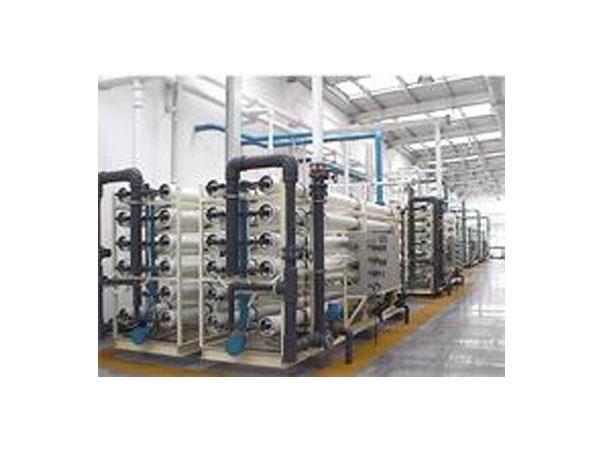
Experimental reverse osmosis device
Keywords:
Product Category:
The main factors that reduce the performance of reverse osmosis membranes are:
1. Chemical degradation of the membrane, such as the destruction of aromatic polyamides by oxidants such as chlorine and strong acids and bases;
2. Scaling of sparingly soluble salts on the membrane surface;
3. Membrane fouling by suspended solids and colloids in the feed water;
4. Fouling and degradation of the membrane caused by the adhesion and erosion of microorganisms, fungi, and algae;
5. Membrane fouling by macromolecular organic matter and adsorption of small molecular organic matter by the membrane.
6. The efficiency and lifespan of reverse osmosis are closely related to the effectiveness of raw water pretreatment. The purpose of pretreatment is to minimize the pollution, scaling, and damage of the membrane by the feed water, thereby optimizing the system's water production, desalination rate, recovery rate, and operating costs. Therefore, good pretreatment is essential for the long-term safe operation of the RO system. Its purposes are specifically:
7. Removal of suspended solids to reduce turbidity;
8. Control of microbial growth;
9. Inhibition and control of sparingly soluble salt deposition;
10. Adjustment of feed water temperature and pH;
11. Removal of organic matter;
12. Control of metal oxide and silicon precipitation.

Welcome to Leave a Message
Contact Us
Shandong Youkun Energy Equipment Co., Ltd. will look forward to creating brilliance hand in hand with friends from all walks of life with high-quality products and thoughtful services!
Service Hotline:
Mobile:+86-18678686161 (Manager Zhao)
Phone:+86-546-2076999 +86-531-58780999
Company Address: South of Weiwu Road, West of Planned Jingqi Road, Kenli District, Dongying City