


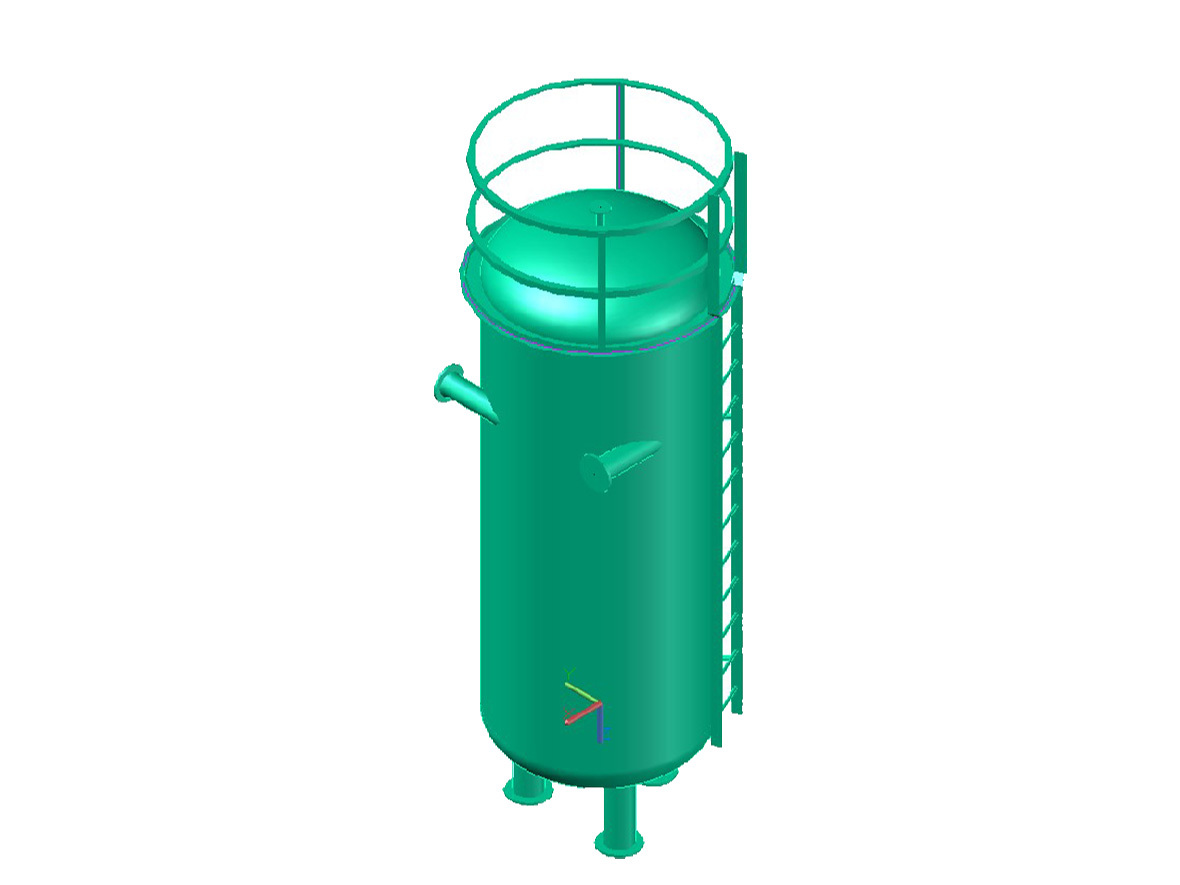
Vertical two-phase gravity separator model
Keywords:
Product Category:
Overview and Structure
Vertical two-phase gravity gas-liquid separators are widely used in geothermal water treatment systems. Their main function is to remove gases from the geothermal water system, preventing excessive gas buildup that could disrupt system operation and reduce heat exchanger efficiency. They eliminate the harmful effects of gases, ensuring the normal operation of the system and equipment.
Vertical two-phase gravity gas-liquid separators come in two types: pressurized and atmospheric.
A pressurized gas-liquid separator consists of a cylinder (including elliptical heads at both ends, a top baffle or steam-water separation device), an electric exhaust valve, a manual exhaust valve, a safety relief device, a drain port, a magnetic level gauge, a level controller, a control box (switch control or PLC control), related instruments, and a maintenance ladder.
An atmospheric gas-liquid separator consists of a cylinder (including elliptical heads at both ends, a top baffle or steam-water separation device), a booster pump, a manual exhaust valve, a safety relief device, a drain port, a hydrostatic level gauge, a level controller, a PID control instrument, a control box (switch control or PLC control), related instruments, and a maintenance ladder.
Working Principle
In a pressurized vertical two-phase gravity gas-liquid separator, during operation, water enters through the inlet in a swirling motion. Gas and liquid separate due to centrifugal force and specific gravity; the liquid falls, and the gas rises. The water-containing gas undergoes secondary separation through a built-in gas-water separation device. The automatic exhaust solenoid valve interlocks with the magnetic level gauge. When the liquid level reaches the set low level, the solenoid valve automatically opens to exhaust gas. The separator pressure decreases, and the liquid level begins to rise. When it reaches the set high level, the solenoid valve automatically closes, the separator pressure increases, and the liquid level begins to fall, repeating this cycle.
A manual shut-off valve should be installed in series and parallel before the solenoid valve to enable rapid gas venting. A reliable controller and high-quality solenoid valve ensure timely gas venting.
In an atmospheric vertical two-phase gravity gas-liquid separator, during operation, water enters through the inlet in a swirling motion. Gas and liquid separate due to centrifugal force and specific gravity; the liquid falls, and the gas rises. The water-containing gas undergoes secondary separation through a gas-water separation device. The booster pump interlocks with the magnetic level gauge (or hydrostatic level gauge). Based on the liquid level height feedback signal to the frequency converter, the frequency converter outputs a signal to the booster pump, adjusting the pump's frequency to maintain a constant liquid level in the separator for optimal gas venting.
The liquid level signal can be switch-type or analog + PLC controller controlled.
Features: Built-in swirl centrifugal device for faster gas-liquid separation; Built-in secondary gas-liquid separation device for more thorough separation; Precise liquid level detection and control; Responsive electric valve, automatic opening and closing, rapid gas venting; External ladder for convenient maintenance

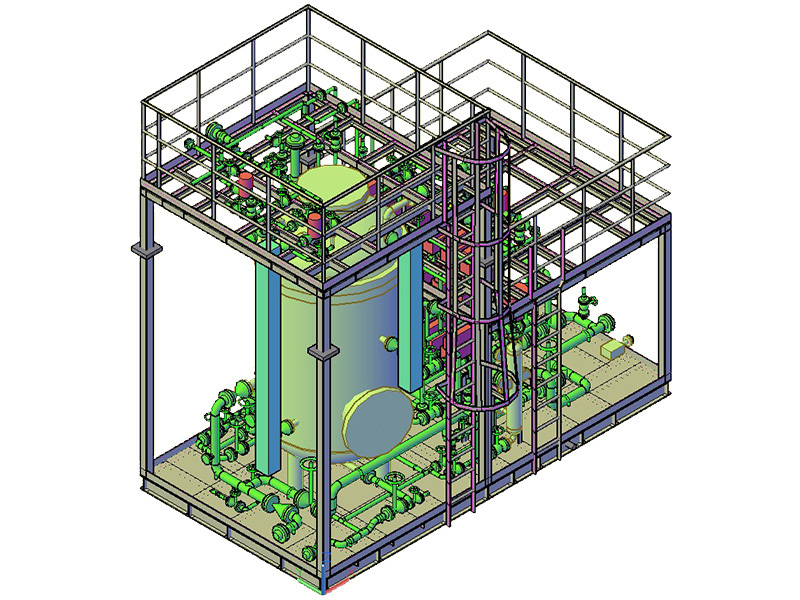
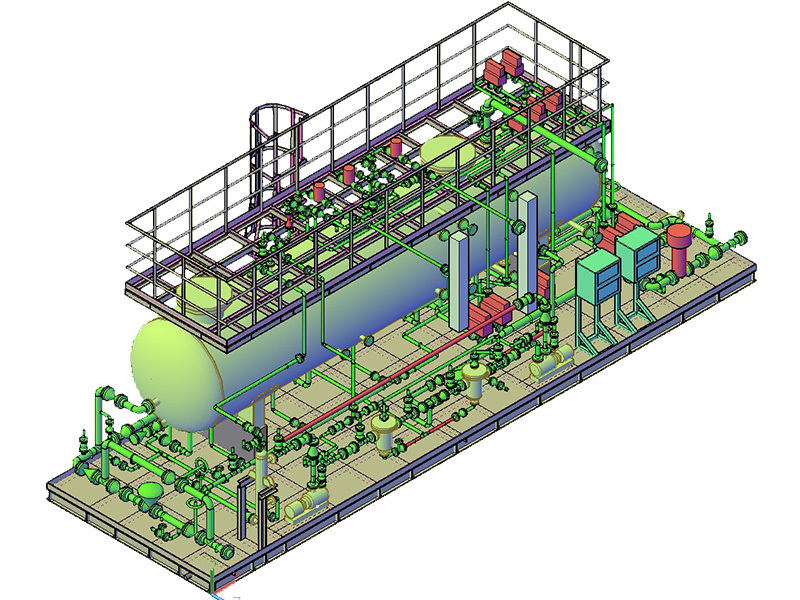
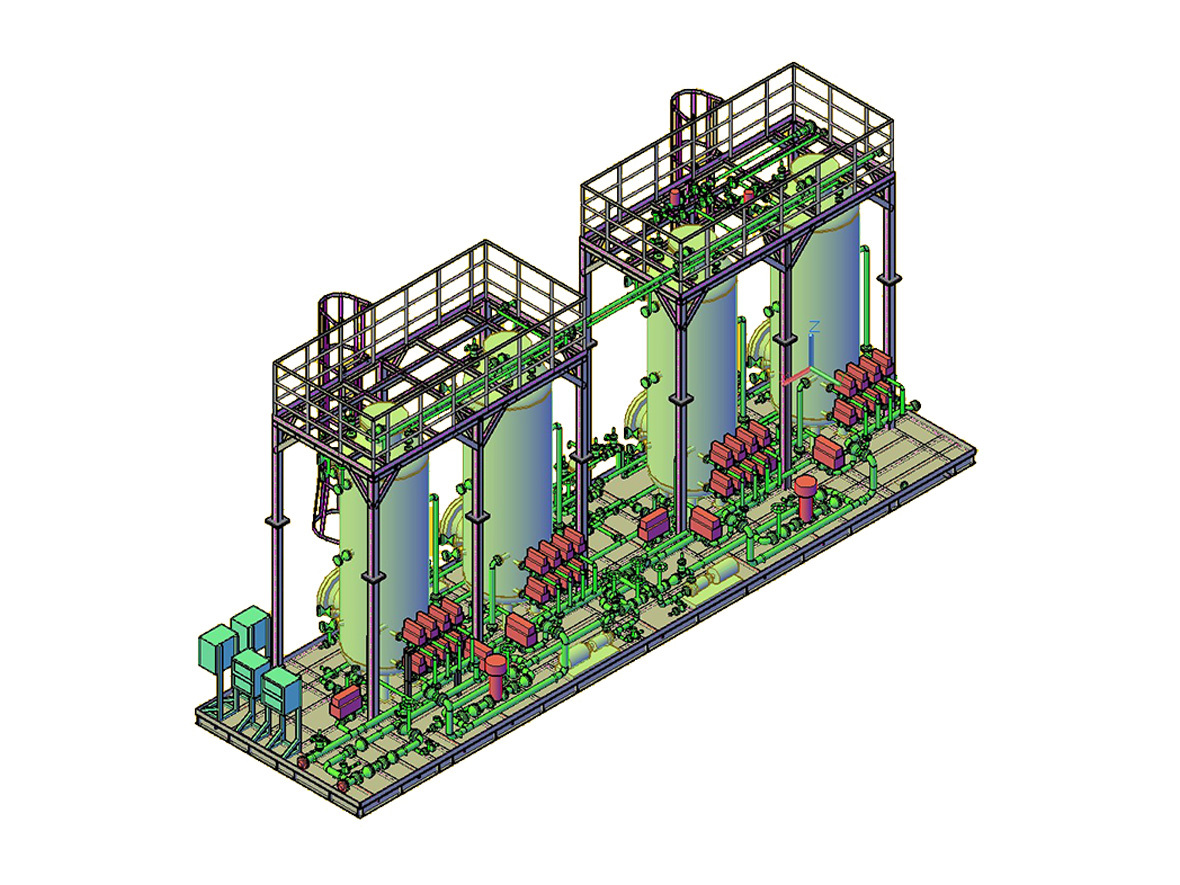
Welcome to Leave a Message